

Dementia: Frequently Asked Questions
What exactly is dementia?
It is a condition characterized by a decline in memory, thinking, behavior, and reasoning that interfere with daily life and independence.
Symptoms worsen over time.
It is NOT a normal part of aging.
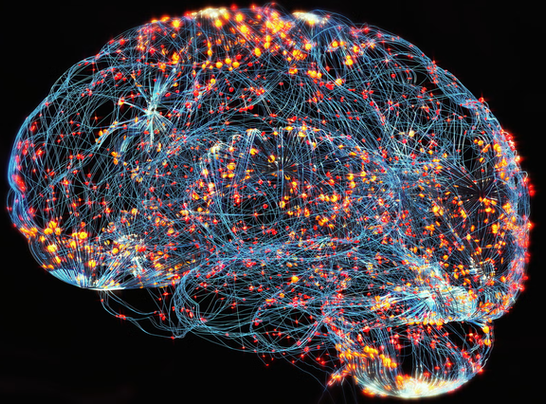
Dementia is NOT a simple neurodegenerative disorder, it is a COMPLEX CHRONIC NETWORK PROBLEM involving multiple body system with MANY contributors.
This happens because of changes or damage in the brain that build up over time and affect how different brain systems communicate and work.
What are the early signs of dementia?
Early signs often start off looking like normal age-related forgetfulness, but over time they become more frequent and start to interfere with everyday life.
Common changes people may notice include:
-
Forgetting recent conversations or events
-
Having trouble finding the right words during conversation
-
Becoming confused in places that used to feel familiar
-
Struggling with planning, organizing, or completing routine tasks
-
Noticeable shifts in mood, behavior, or personality
The key difference is that these symptoms tend to be progressive and persistent, rather than occasional lapses in memory.
Is dementia the same as Alzheimer’s disease?
Not exactly. Dementia is an umbrella term used when there’s a noticeable decline in thinking skills—things like memory, reasoning, language, or judgment—enough to interfere with daily life.
Alzheimer’s disease is one of the most common underlying causes, but it’s only one piece of the picture. There are several other contributors as well, including vascular changes in the brain (often related to blood flow and metabolic health) and conditions like Lewy body dementia, which involve different patterns of brain dysfunction.
In practice, dementia isn’t viewed as a single disease, but rather a collection of different processes that can lead to similar symptoms.
Is there anything that helps reduce the risk of dementia?
There’s no guaranteed way to prevent dementia, but approaches that focus on optimizing brain resilience and correcting the underlying drivers of cognitive decline take a broader view than lifestyle alone.
In this framework, risk reduction isn’t about a single habit—it’s about reducing the biological stressors that push the brain toward degeneration over time.
Key areas usually emphasized include:
1) Metabolic health (brain fuel balance)
Keeping insulin levels stable is considered critical, since insulin resistance can affect how the brain uses energy. This includes managing blood sugar, reducing processed carbohydrates, and supporting healthy body composition.
2) Inflammation control
Chronic inflammation is seen as a major contributor to cognitive decline. Diet quality, gut health, food sensitivities, and untreated infections are often evaluated as potential sources.
3) Nutrient sufficiency
Adequate levels of nutrients like B vitamins (especially B12 and folate), vitamin D, omega-3 fats, and magnesium are important for neurotransmitter function and neuronal repair.
4) Sleep quality
Deep, restorative sleep is viewed as essential for clearing metabolic waste from the brain. Sleep apnea is a major but often overlooked risk factor.
5) Vascular health
Good blood flow supports brain function, so blood pressure, cholesterol patterns, and cardiovascular fitness matter more than often appreciated.
6) Toxic burden and exposures
Heavy metals, air pollution, and other environmental toxins are considered possible contributors in susceptible individuals, and reducing exposure is part of prevention strategies.
7) Cognitive and emotional resilience
Staying mentally active and socially engaged helps build “cognitive reserve,” which may delay symptom onset even when underlying changes are present.
Can dementia be PREVENTED or REVERSED?
-
YES, IT CAN BE PREVENTED, even in those with family history or genetic risks
-
Genes load the gun, lifestyle pulls the trigger
-
Extensive labs/tests can reveal reversible risks
-
-
YES, IT CAN OFTEN BE REVERSED – when the underlying causes are identified and corrected
-
The earlier the process beings, the better the outcomes
-
-
What does “Reversal” mean?
-
It is not an instant cure
-
It is halting the decline, improving daily function, rebuilding cognitive strength
-
Many patients regain their independence and quality of life
-
Reversible factors include:
-
Insulin resistance and metabolic dysfunction affecting brain energy use
-
Chronic inflammation impacting neural signaling
-
Hormonal and thyroid imbalance
-
Nutrient deficiencies that affect neurotransmitter function
-
Sleep disruption, including untreated sleep apnea
-
Medication effects that impair cognition
-
Vascular health issues reducing blood flow to the brain
When these upstream drivers are identified and addressed—especially in earlier stages like mild cognitive impairment— individuals can absolutely experience stabilization or partial improvement in memory, focus, and overall cognitive function.
In more advanced stages, changes are harder (although attainable for some), but there is still value in slowing progression, supporting remaining brain function, and improving quality of life.
So overall: while advanced dementia is harder to reverse, cognitive decline is shaped by modifiable biological systems, and addressing those systems early can meaningfully change the trajectory for most people.
Is memory loss always a sign of dementia?
Not necessarily. Occasional forgetfulness can happen with normal aging, stress, poor sleep, hormonal changes, or nutrient deficiencies. From a systems-based perspective, memory loss is viewed as a signal that the brain may be under stress—not automatically proof of irreversible dementia.
Cognitive symptoms can sometimes be connected to issues like:
-
Blood sugar imbalance
-
Chronic inflammation
-
Sleep apnea or poor sleep quality
-
Thyroid dysfunction
-
Vitamin B12 or nutrient deficiencies
-
Medication side effects
-
Chronic stress and elevated cortisol
The key concern is when memory problems become progressive and begin interfering with daily function.
Dementia also does not always present as memory loss alone. In some cases, it may first show up as difficulties with spatial coordination, planning, problem-solving, judgment, or performing calculations. People may become more easily disoriented, have trouble following familiar routes, managing finances, organizing tasks, or completing multi-step activities that were previously routine.
Who is at risk for developing dementia?
Risk increases with age, but cognitive decline is thought to develop from a combination of genetic, metabolic, inflammatory, vascular, and lifestyle-related factors over time.
Common contributors may include:
-
Insulin resistance or diabetes
-
Chronic inflammation
-
Poor cardiovascular health
-
Sleep disorders
-
Sedentary lifestyle
-
Nutrient deficiencies
-
Chronic stress
-
Environmental toxin exposure
-
Family history or genetic predisposition
Rather than viewing risk as purely genetic, this approach focuses on how lifestyle and biology interact over decades to affect brain resilience.
How is dementia diagnosed?
Diagnosis usually involves evaluating memory, thinking, and daily functioning through cognitive testing, medical history, imaging, and laboratory work.
A broader systems-based evaluation may also look for underlying contributors that could be affecting brain function, including:
-
Blood sugar and insulin markers
-
Inflammatory markers
-
Nutrient levels
-
Hormone and thyroid balance
-
Sleep quality
-
Gut health and microbiome factors
-
Toxic exposures
-
Cardiovascular and metabolic health
The goal is not only identifying the diagnosis, but understanding what may be contributing to cognitive decline in that individual.
How does dementia progress over time?
Cognitive decline is generally progressive, but the rate and severity can vary widely from person to person.
In earlier stages, symptoms may involve mild forgetfulness, difficulty concentrating, or trouble finding words. Over time, this can progress into more significant challenges with reasoning, communication, independence, and daily activities.
A systems-based approach views progression as influenced by ongoing biological stressors such as inflammation, insulin resistance, poor circulation, sleep disruption, or toxin exposure. Addressing those contributors early may help slow decline and improve quality of life.
Why does conventional medicine believe dementia occurs?
Conventional medicine generally views dementia—especially Alzheimer’s disease—as a neurodegenerative condition involving progressive damage and loss of brain cells over time.
Research often focuses on:
-
Amyloid plaque accumulation
-
Tau protein tangles
-
Brain inflammation
-
Shrinkage of brain tissue
-
Neurotransmitter dysfunction
Treatment is typically centered around diagnosis, symptom management, medications, and slowing progression.
Why does functional medicine believe dementia occurs?
A systems-based approach views dementia as the result of multiple imbalances affecting the brain and body over time, rather than one isolated disease process.
The focus is on identifying what may be creating stress or dysfunction within the brain, including:
-
Insulin resistance and poor brain energy metabolism
-
Chronic inflammation
-
Hormonal imbalance
-
Sleep disruption
-
Nutrient deficiencies
-
Toxic exposures
-
Reduced blood flow and vascular dysfunction
-
Chronic stress and immune activation
The idea is that cognitive decline may develop when several of these factors combine over many years, reducing the brain’s ability to repair and protect itself.
What treatments are available in conventional (allopathic) medicine?
Conventional treatment typically focuses on medications and supportive care aimed at slowing symptom progression and improving quality of life.
This may include:
-
Memory-support medications
-
Treatments for mood, sleep, or behavior changes
-
Cognitive therapy and rehabilitation
-
Safety planning and caregiver support
-
Lifestyle recommendations such as exercise and social engagement
Newer therapies may also target amyloid proteins in certain patients, though results and eligibility can vary.
What treatments are available in functional medicine?
A systems-based treatment approach focuses on identifying and addressing the underlying factors contributing to cognitive decline.
Treatment plans are individualized and may include:
-
Improving insulin sensitivity and metabolic health
-
Anti-inflammatory nutrition strategies
-
Exercise and muscle-building programs
-
Optimizing sleep and treating sleep apnea
-
Correcting nutrient deficiencies
-
Hormone and thyroid support when appropriate
-
Stress reduction and nervous system regulation
-
Detoxification and reducing environmental exposures
-
Cognitive training and social engagement
The overall goal is to create an environment where the brain is better supported, more resilient, and less vulnerable to ongoing degeneration—especially when intervention begins early.